A Heavy Trailer, Soft Ground, and Careful Lift
One dropped trailer in a laydown yard near US-64 and HWY 301 turned into a Rocky Mount load shift correction job faster than anybody wanted. The trailer had been loaded at the dock, then dropped for later pickup, and the soft ground gave way under the landing gear.
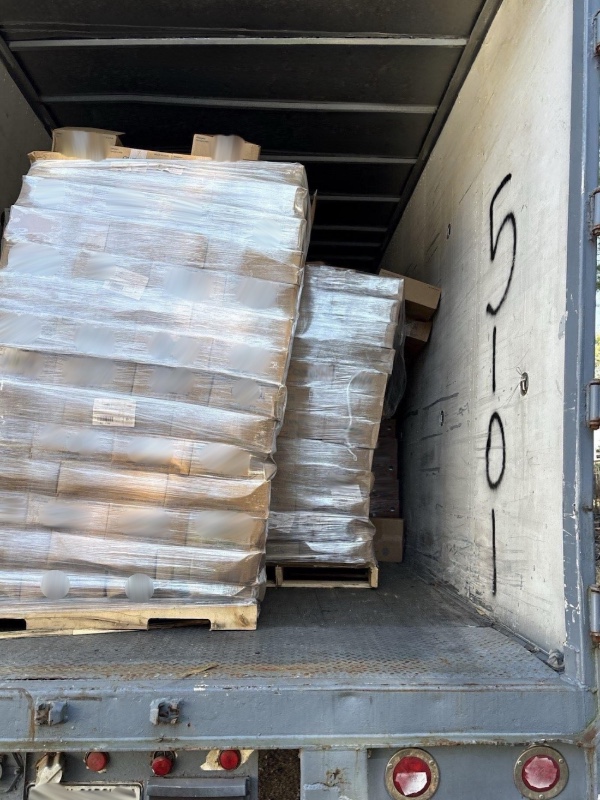
The cargo was butter, and both trailers were fully loaded. One trailer sank evenly enough that it mainly needed to be lifted and moved, but the other one dropped harder on one side. The problem is: once a loaded trailer starts putting side pressure on the landing gear, the gear can bend, buckle, or let the whole trailer roll over. And nobody wants that.
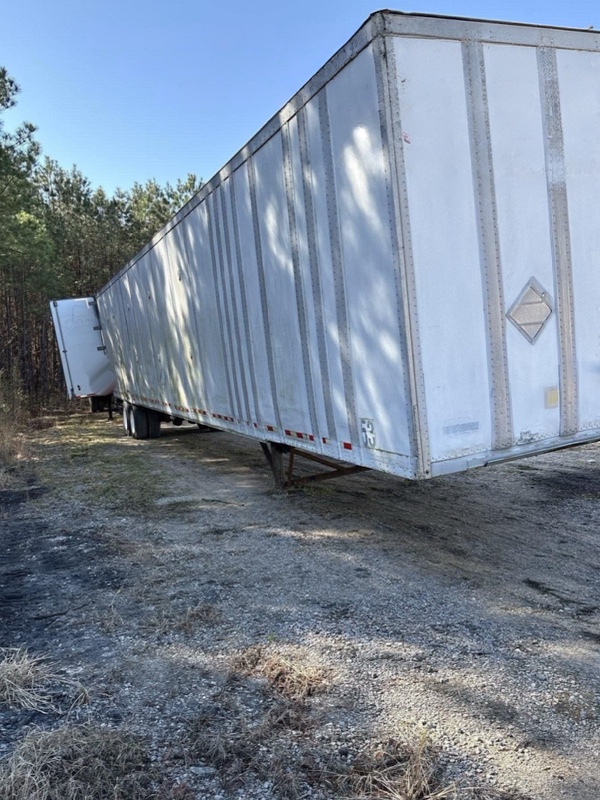
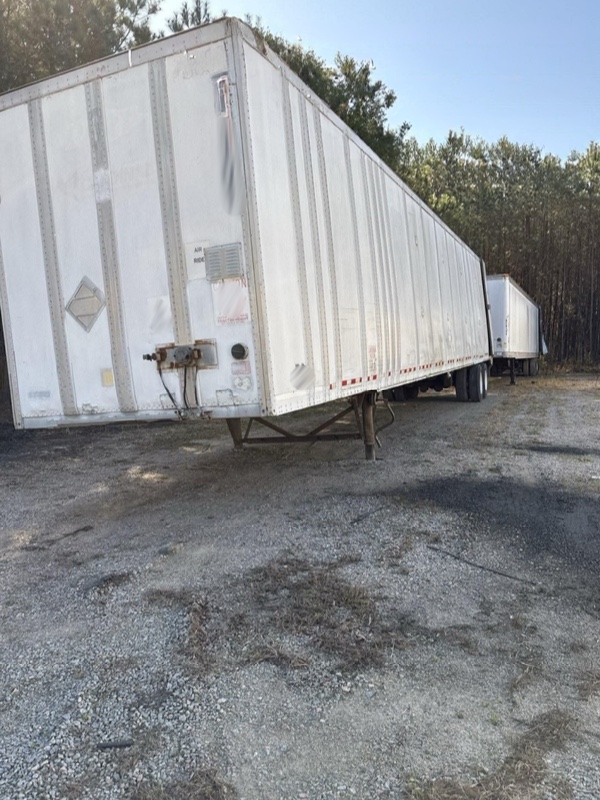
Soft Ground Does More Damage Than People Expect
A loaded trailer can act like a parked vehicle in one way: weight always finds the weakest spot underneath it. For us, that meant we had to treat it like a recovery job. We had two heavy tow operators on scene, and we brought trucks #423 and #464, both 30-ton heavy wreckers, because a loaded leaning trailer is not a light-service problem.
How We Took the Pressure Off the Landing Gear
The first move was getting control of the trailer before lifting. We used the wheel lift on one wrecker to raise the front of the trailer, then ran a 14-inch recovery strap from the low side, over the top of the trailer, and back to a single winch line. That line helped hold the lean and kept the trailer from leaning farther over.
This is the part of Rocky Mount load shift correction that had to be done in the right order. Pull too hard from the side and the trailer can shift again. Lift without controlling the lean and the landing gear can fold. We want the weight to settle back under control, not surprise anybody.
Before Moving a Loaded Trailer
In a Rocky Mount load shift correction call, we spend the first few minutes looking at ground, cargo weight, lean angle, and landing gear position. Butter may not sound exciting as cargo, but a fully loaded refrigerated trailer carries plenty of weight. Once that weight moves even a little, the trailer tells on itself.
A few things matter right away:
- Is one landing gear pad deeper than the other?
- Is the trailer leaning toward another trailer, fence, dock, or building?
- Has the load shifted inside or did only the ground fail?
- Can the trailer be lifted without twisting the frame?
- Is there firm ground nearby for relocation?
That is why Rocky Mount load shift correction usually takes more than one truck. One wrecker may lift, while the other controls the lean. On this job, that setup let us free the landing gear, keep the trailer upright, and move both trailers to a more stable part of the yard in about one hour on scene.
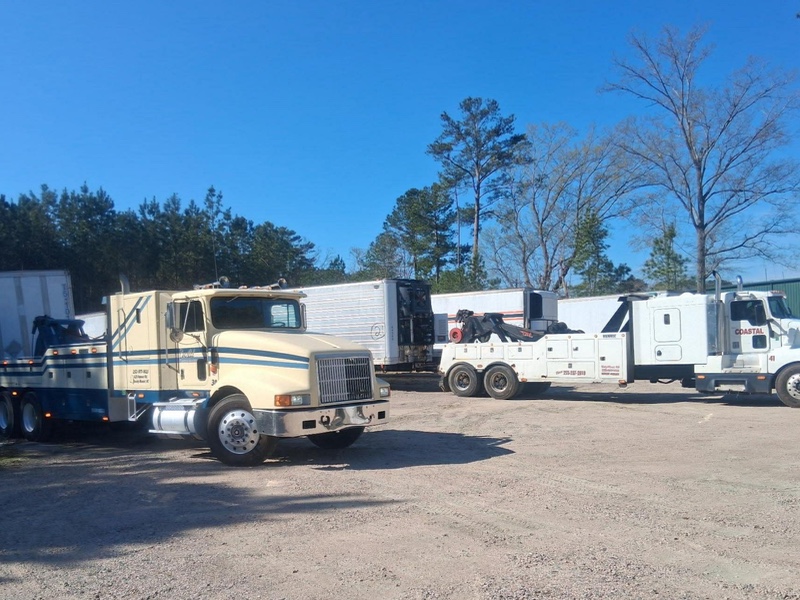
Coastal Towing Services Handles Rocky Mount Load Shift Correction When Ground Gives Way
This butter load was starting to spread the wrong way. Rocky Mount load shift correction is the kind of work where heavy wreckers, patient operators, and good judgment are important. Because Rocky Mount load shift correction often comes down to yard conditions more than road conditions.
Soft laydown yards, heavy trailers, loaded reefers, and quick drop-and-hook schedules can create a mess before the driver ever hits US-64 or HWY 301. This one ended with the trailers upright, the landing gear protected, and a reminder that soft ground under a loaded trailer does not stay quiet for long.
FAQs
What should a driver do if a loaded trailer starts leaning?
Stop moving around it and call for heavy recovery help. Do not try to pull it with a pickup, yard truck, or forklift unless the recovery operator gives clear direction. A loaded trailer can shift more once pressure changes.
Can soft ground damage trailer landing gear?
Yes. Landing gear can bend, sink, or buckle when one side drops deeper than the other. The heavier the trailer, the faster that pressure builds.
Why would a tow company use two heavy wreckers on one trailer?
One truck may lift while the other controls the lean or keeps the trailer from moving the wrong way. That gives the operators more control. It also helps reduce strain on the trailer frame and landing gear.
Is a leaning trailer always at risk of rolling over?
Not always, but it should be treated seriously. Cargo weight, ground conditions, wind, and the angle of the trailer all matter. A small lean can get worse once the ground keeps settling.
Can a loaded trailer be moved after the landing gear sinks?
Usually, yes, but it needs to be lifted and stabilized first. The trailer should be placed on firmer ground or proper support pads before it is dropped again.
What kind of cargo makes trailer recovery harder?
Dense or shifting cargo can make recovery more difficult. Food products, bottled goods, paper rolls, machinery, and palletized freight can all create uneven weight if they move inside the trailer.