Staying Alert and Prepared During the Holiday Rush
The holiday season brings more than crowded highways and cold weather. It means tighter delivery windows, unpredictable delays, and drivers who may be more distracted than usual. If you’re hauling freight in December, you’re juggling more than just mileage, you’re up against traffic, weather, and timelines that won’t wait. We’ve helped hundreds of truckers through winter breakdowns, and we’ve seen how fast a routine run can spiral into a roadside emergency. That’s why we put together these safe driving tips to help keep your truck moving and your schedule intact.
Smart Habits That Make a Big Difference
Fatigue doesn’t show up on your logbook, but it’s one of the biggest dangers out there. It’s tempting to push through and make up lost time, but it’s not worth the risk. Plan your rest stops ahead of time and take the break when your body says to. Getting there late is better than not getting there at all.
We also see a rise in calls once the temperature drops. Snow, black ice, and heavy fog can sneak up quickly. Before any winter run, do a full check of your tires, brakes, and lights. And don’t leave without your cold-weather emergency kit. Flares, chains, blankets, gloves, and extra layers, they might sit in the cab all season, but when you need them, you’ll wish you had more.
Dealing with Distracted Drivers
It happens every year. Someone cuts across lanes without signaling. Another driver is staring at their phone instead of the road. From over-packed parking lots to clogged on-ramps, holiday driving brings out rushed and distracted behavior everywhere.
You can’t control what others do, but you can give yourself more space. Keep a buffer between vehicles, slow down in high-traffic areas, and double-check those mirrors. It’s not just your truck you’re protecting. It’s your load, your job, and your own safety.
Planning Routes with Holiday Traffic in Mind
Holiday traffic doesn’t care about your delivery window. Take it from our I-95 heavy towing experts: a little planning on the front end goes a long way. We recommend checking the latest weather updates and road closures before rolling out. And don’t rely on GPS alone. Local detours and seasonal traffic patterns can change your whole day.
Here’s what we suggest:
- Map fuel stops and rest areas in advance
- Avoid major routes during peak travel hours
- Keep an eye on highway alerts throughout the day
- Stay in touch with dispatch to adjust timing as needed
Coastal Towing: Reliable I-95 Heavy Towing When You Need It Most
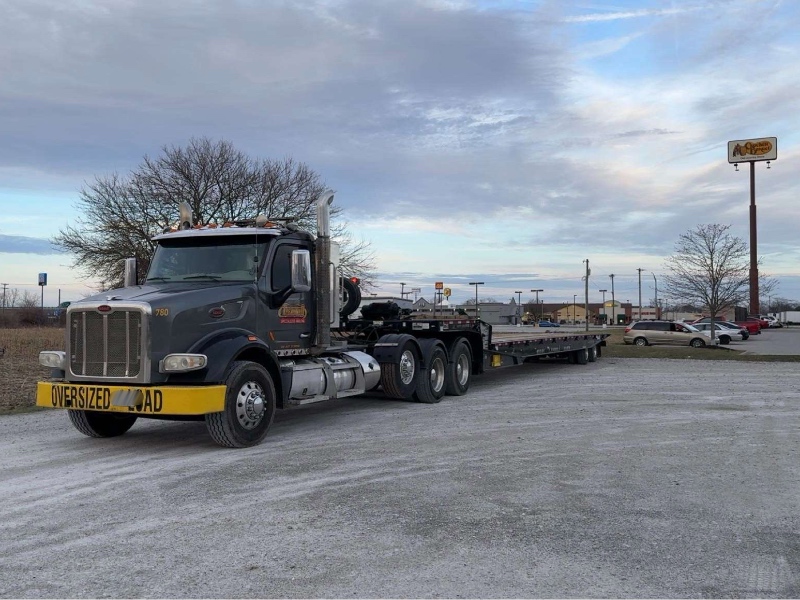
Even the best drivers can run into trouble. That’s where we come in. At Coastal Towing, we’re the ones truckers call when a breakdown or wreck shuts down their route. We handle I-95 heavy towing and know exactly how to respond when big rigs need help, especially during the chaos of holiday travel.
From jackknifed trailers to locked-up axles, our team handles the toughest jobs out there. Our I-95 heavy towing services include:
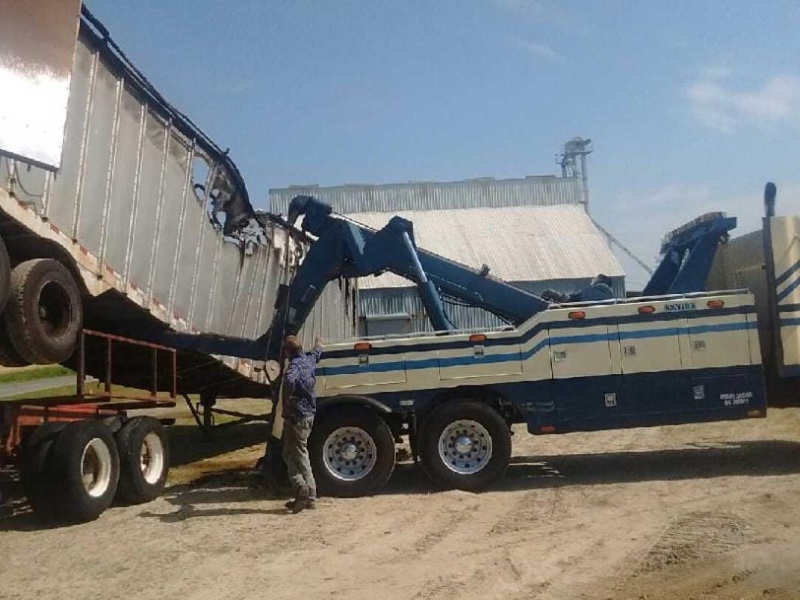
- Rollovers and winch-outs
- Load recoveries and cargo shifts
- Engine and transmission failures
- Air brake issues and axle damage
We know the highway, we know the risks, and we know how to move fast when minutes matter. Our I-95 heavy towingcrews are on call 24/7, ready to help you keep rolling through the busiest season of the year.
So if your truck ends up stuck this winter, don’t sit there wondering who to call. Coastal Towing has your back. Our I-95 heavy towing team is trained, equipped, and ready to get you moving again. Stay alert, plan ahead, and if the road turns against you, reach out. With I-95 heavy towing from Coastal Towing, help is already on the way.
FAQ
What can truck drivers do to avoid roadside emergencies during the holidays?
Checking tire pressure, brakes, lights, and fluid levels before each trip reduces the chance of mid-route breakdowns. Planning ahead and avoiding risky weather windows also helps.
Why is winter driving riskier for commercial trucks?
Cold weather reduces tire traction, limits visibility, and strains mechanical systems. Heavy loads also make it harder to stop quickly on icy or wet roads.
What should drivers do first if their truck breaks down in winter?
Pull off the road safely, turn on hazard lights, and stay visible. If you can’t resolve the issue, call a towing provider that handles large vehicles.
How can truckers prepare for long delays or closures during holiday hauls?
Keep a stocked emergency kit with food, water, and warm clothing. Having updated route info and alternate plans helps when roads close unexpectedly.
Do towing services operate during holidays and in bad weather?
Yes. Many heavy-duty towing companies run 24/7, including holidays and storms. It’s best to keep contact info for a reliable provider in case of trouble.
What makes towing large trucks more difficult in winter?
Snow, ice, and low visibility increase risk during recovery. Heavier equipment, limited space, and unstable surfaces also make winter recoveries more complex.