The Middle Ground of Towing
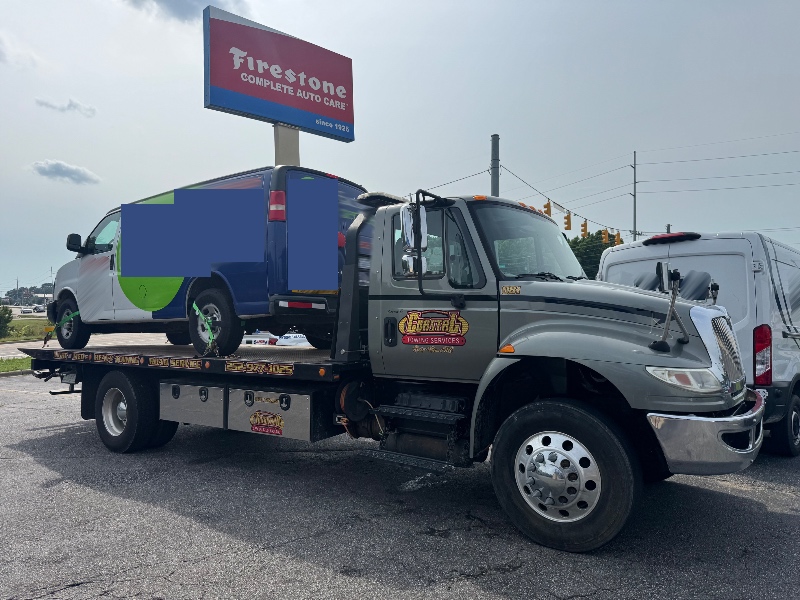
We see them on the road daily: delivery vans packed to the brim, rental box trucks muscling through traffic, contractors’ rigs hauling the tools of the trade. They’re the workhorses that keep Rocky Mount running. But even the hardest workers need help sometimes. When a box truck or van breaks down, schedules fall apart, deliveries miss the mark, and crews get left waiting. That’s where medium-duty towing steps in. These vehicles don’t fit into the small car or big rig categories. They’re in the middle and moving them takes more than a standard hook-up. We handle Rocky Mount van towing every day, and we’ve learned exactly what these vehicles need to get back in service.
What Counts as Medium-Duty?
People often picture either broken-down sedans or towering semis when they hear “towing.” But medium-duty vehicles live in the in-between. They’re too heavy for regular tow trucks, but don’t require the massive equipment built for 18-wheelers. The lineup includes:
- Box trucks (14 to 26 feet long)
- Cargo vans and sprinters
- Contractor rigs and utility trucks
- Small buses and shuttles
They usually weigh between 10,001 and 26,000 pounds. That’s enough to need reinforced towing gear, but still compact enough to weave through city traffic.
Why These Vehicles Need a Different Tow
Medium-duty vehicles are taller, heavier, and have more awkward dimensions than passenger cars. Lifting them requires specific angles. Securement points vary. A loaded box truck handles differently than an empty one. Suspension damage is a common risk if you’re not careful.
This kind of job takes more than horsepower. We use trucks built for the task, with stronger booms, tougher winches, and reinforced wheel lifts. Our team trains to handle medium-duty towing the right way. That means careful hook-ups, smart loading, and equipment that won’t leave damage behind.
The Real Cost of Delay
When a delivery van quits on the highway, the ripple effects spread fast. Movers get stuck mid-job. Packages miss deadlines. Construction crews wait on tools that aren’t arriving. These vehicles often carry work on wheels, and when they’re down, business stalls.
That’s why responsive Rocky Mount van towing is vital. We show up quickly, assess the situation, and move the vehicle to a shop that can handle the repairs. The faster we move, the faster you get back on schedule.
Coastal Towing: Rocky Mount Van Towing You Can Count On
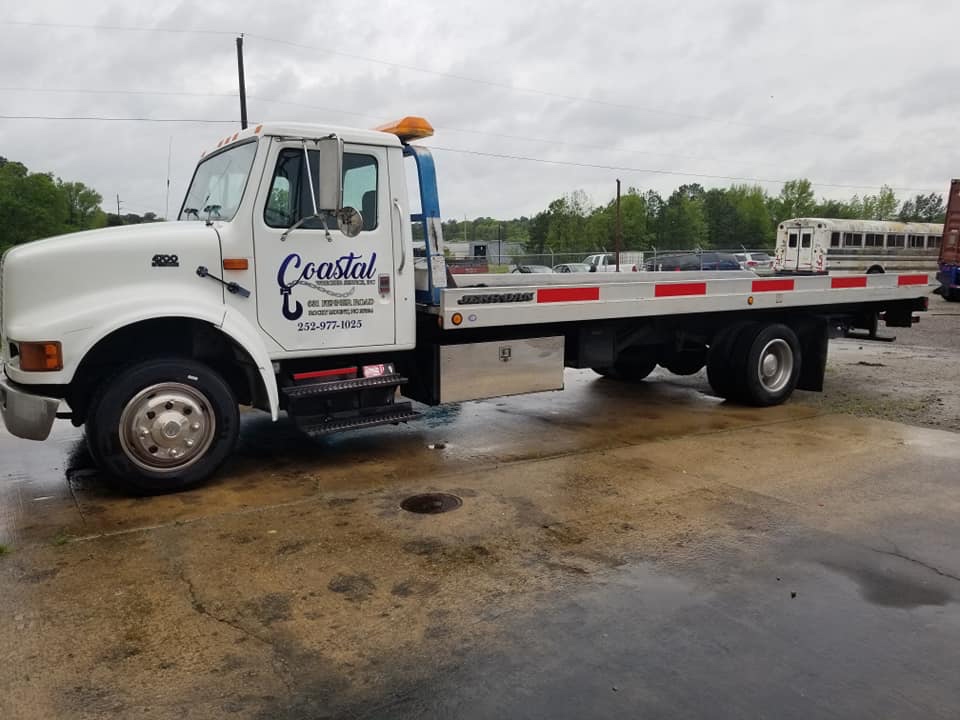
At Coastal Towing, we focus on more than just getting the job done. We specialize in Rocky Mount van towing because we know how much rides on these vehicles. They carry goods, tools, teams, in short: everything a day’s work needs to succeed.
Our Rocky Mount van towing team doesn’t approach these calls like oversized car tows. Our trucks are set up for medium-duty recoveries. Our drivers know what they’re dealing with before they roll out. And we always make sure the tow protects both the vehicle and what’s inside.
Call us for Rocky Mount van towing and expect:
- Quick dispatch across Rocky Mount and nearby areas
- Equipment built specifically for medium-duty vehicles
- Trained operators who understand vans, box trucks, and contractor rigs
- A team that respects your schedule and your cargo
Delivery vans and box trucks do the heavy lifting, even if they fly under the radar. When they need help, we’re here. Let us move the movers. Because even the hardest-working vehicles need backup sometimes. Call Coastal, we get your Rocky Mount van towing job done.
FAQ
What is medium-duty towing used for?
Medium-duty towing is used for vehicles that are heavier than passenger cars but lighter than large trucks. This includes box trucks, cargo vans, small buses, and utility vehicles.
Can any tow truck handle a delivery van?
Not always. Delivery vans often require specific equipment and trained operators to avoid damage and ensure a safe tow.
Why do box trucks need a special towing approach?
Box trucks have different weight distribution and higher profiles than standard vehicles. They need careful handling to avoid damaging the suspension or cargo.
Is there a weight limit for medium-duty towing?
Yes. Medium-duty towing typically covers vehicles weighing between 10,001 and 26,000 pounds.
Do I need to empty my truck before it’s towed?
It depends on the condition of the vehicle and the nature of the cargo. Towing teams will assess the load and determine the safest option on arrival.
How fast can a tow truck respond to a commercial breakdown?
Response time varies by location and availability, but commercial towing is often prioritized to reduce business disruption.